
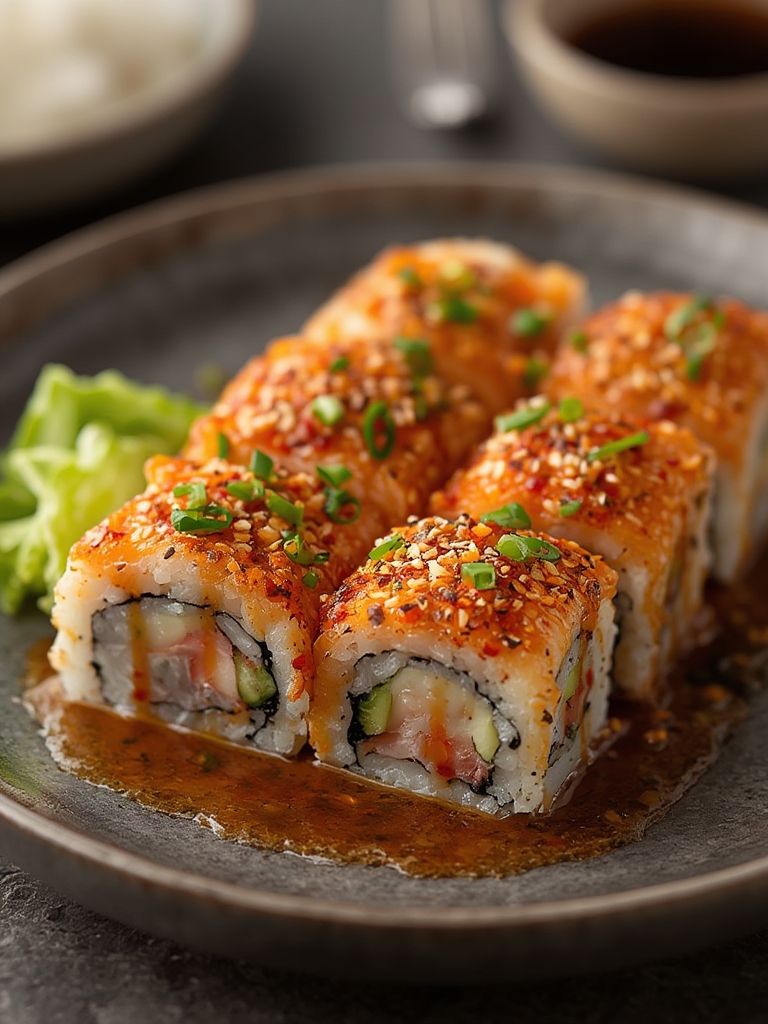
Intriguing Question / Introduction
Ever wondered how to recreate those mouthwatering Sushi Bake Recipes that have taken social media by storm? This deconstructed sushi casserole combines the flavors of traditional Japanese sushi with the comfort of a warm, baked dish. The best part? You don’t need advanced culinary skills to make it at home! In this post,
I’ll share five delicious variations of sushi bake recipes, easy japanese food, how to make sushi bake, simple sushi bake ideas, viral japanese recipes, homemade sushi bake, sushi bake variations that will impress your family and friends while satisfying your sushi cravings.
Table of Contents
Sushi Bake Recipes: 5 Easy Ways to Make This Viral Dish at Home
Ingredients List
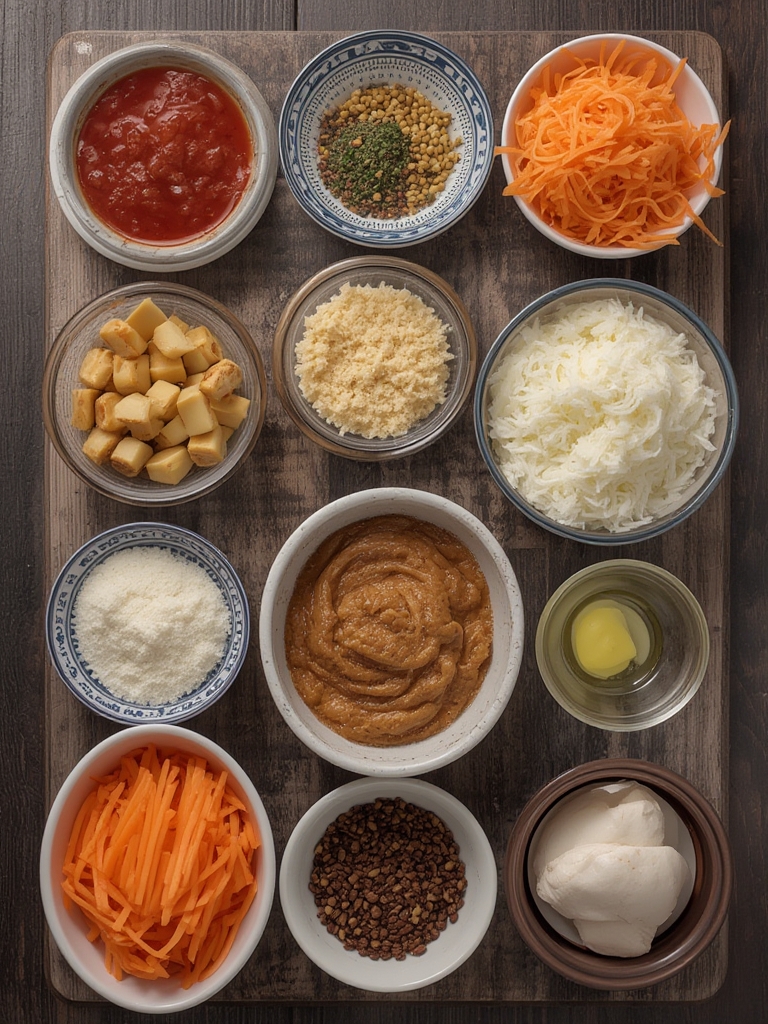
For the base (all recipes):
- 3 cups Japanese short-grain rice
- 1/3 cup rice vinegar
- 2 tablespoons sugar
- 1 teaspoon salt
- 2 tablespoons Kewpie mayonnaise
- 1 tablespoon sriracha (optional for spice lovers)
- 2 tablespoons cream cheese, softened
For California Sushi Bake:
- 2 cups imitation crab, shredded
- 1 avocado, diced
- 1 cucumber, seeded and diced
- 2 tablespoons tobiko or masago (flying fish roe)
For Salmon Sushi Bake:
- 1 pound fresh salmon, diced (or use canned salmon as a budget-friendly option)
- 2 tablespoons furikake seasoning
- 2 stalks green onions, chopped
For Spicy Tuna Sushi Bake:
- 1 pound sushi-grade tuna, diced (or 2 cans of tuna packed in water)
- 1 tablespoon chili oil
- 1 tablespoon sesame oil
For serving:
- Nori sheets
- Soy sauce
- Wasabi paste
- Pickled ginger
Timing
- Prep time: 20 minutes
- Cook time: 15 minutes
- Total time: 35 minutes (Save 25 minutes compared to traditional sushi rolling)
- Difficulty level: Beginner-friendly
Step-by-Step Instructions
Step 1: Prepare the Rice
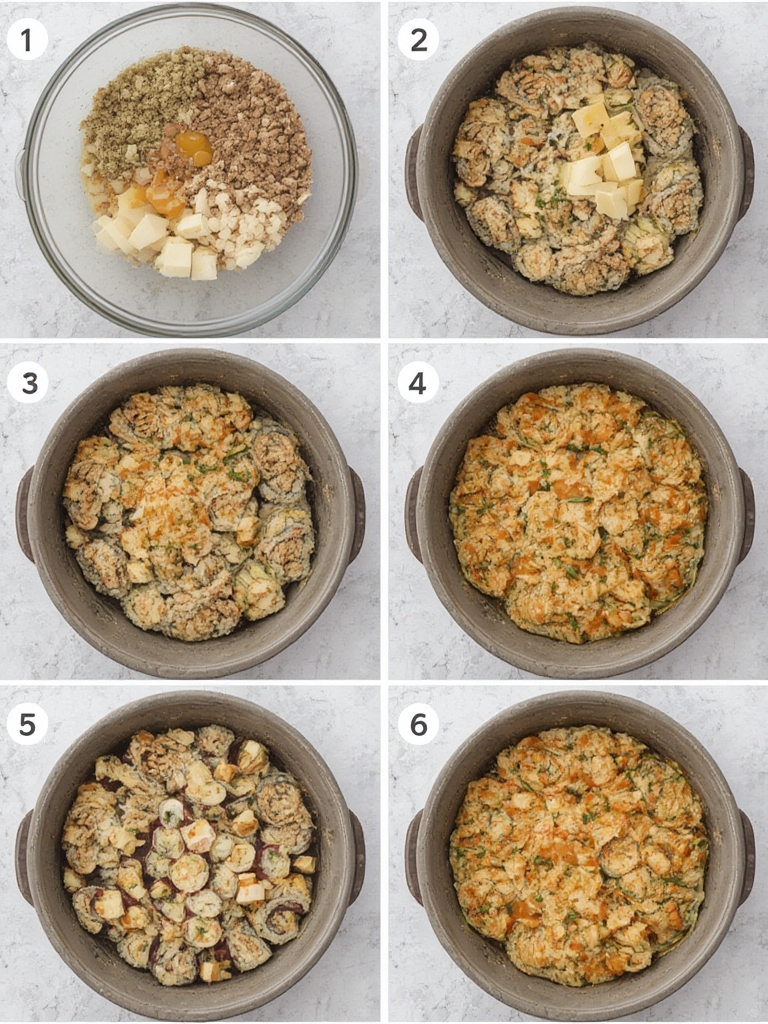
Rinse the rice until water runs clear. Cook according to package instructions using a rice cooker or stovetop method. While still hot, mix with rice vinegar, sugar, and salt. Let cool to room temperature. Pro tip: Fan the rice while mixing to achieve a glossy finish and faster cooling.
Step 2: Prepare the Creamy Mixture
In a bowl, combine Kewpie mayonnaise, sriracha (if using), and softened cream cheese until smooth. This creates the signature creamy layer that makes sushi bake so addictive. For a lighter version, use Greek yogurt instead of mayonnaise.
Step 3: Layer Your Base
Spread the cooled sushi rice evenly in a 9×13 baking dish, pressing down gently to create a firm base about 1/2 inch thick. Spread half of the creamy mixture over the rice layer.
Step 4: Add Your Protein and Toppings
For California Sushi Bake: Mix imitation crab with remaining creamy mixture and spread over the rice. Top with diced avocado, cucumber, and tobiko.
For Salmon Sushi Bake: Mix diced salmon with remaining creamy mixture, spread over rice, and sprinkle with furikake and green onions.
For Spicy Tuna Sushi Bake: Combine diced tuna with remaining creamy mixture, chili oil, and sesame oil. Spread over rice layer.
Step 5: Bake and Serve
Bake at 380°F for 10-15 minutes until the top is slightly golden. Let cool for 5 minutes before serving. Cut into squares and serve with nori sheets for wrapping, along with soy sauce, wasabi, and pickled ginger.
Nutritional Information
Per serving (approximately 1 cup):
- Calories: 320-380 (varies by protein choice)
- Protein: 15-18g
- Carbs: 42g
- Fat: 12g
- Fiber: 2g
- Vitamin A: 10% DV
- Vitamin C: 5% DV
- Calcium: 4% DV
- Iron: 6% DV
Healthier Alternatives for the Recipe
- Low-carb option: Replace half or all of the rice with cauliflower rice
- Gluten-free: Ensure all ingredients are certified gluten-free (especially the imitation crab)
- Vegetarian: Skip animal proteins and use tofu seasoned with furikake, or add extra avocado and vegetables
- Dairy-free: Use vegan cream cheese and mayonnaise alternatives
Serving Suggestions
Serve your sushi bake family-style with small bowls of soy sauce, wasabi, and pickled ginger. Pair with a light cucumber salad or miso soup for a complete meal. For an elevated experience, offer a chilled Junmai sake or green tea alongside your sushi bake. The contrast between the warm bake and cool beverages enhances the flavor profile.
Common Mistakes to Avoid
- Overworking the rice: This makes it gummy and unpleasant
- Skipping the rice rinse: This step removes excess starch and prevents clumping
- Using cold rice: Room temperature rice is crucial for proper flavor absorption
- Overbaking: This dries out your sushi bake; it only needs to be warmed through
- Using low-quality seafood: Always prioritize freshness when working with raw fish
Storing Tips for the Recipe
Refrigerate leftovers in an airtight container for up to 2 days. For best results, store the nori sheets separately to prevent sogginess. Reheat in the microwave for 1-2 minutes or in a 350°F oven for 5-7 minutes until warmed through. Sushi bake also makes excellent meal prep—prepare individual portions in smaller containers for quick lunches.
Conclusion
These five Sushi Bake Recipes offer a delicious, approachable way to enjoy Japanese-inspired flavors without the fuss of traditional sushi rolling. Whether you’re hosting friends, preparing a family dinner, or just treating yourself, these versatile recipes are sure to impress. Don’t forget to share your creations on social media—your followers will be asking for the recipe!
FAQs
Can I make sushi bake ahead of time?
Yes, you can assemble the dish up to 24 hours in advance and bake right before serving. Keep refrigerated and covered until ready to bake.
Is sushi bake safe for pregnant women?
If you’re pregnant, opt for fully cooked seafood versions like the imitation crab or cooked salmon variations to avoid raw fish risks.
Can I freeze sushi bake?
While possible, freezing isn’t recommended as the texture of the rice and seafood will change upon thawing. It’s best enjoyed fresh.
What can I use instead of nori sheets?
Lettuce leaves make a great low-carb alternative, or you can simply eat the sushi bake with a fork as a casserole.
Why is my rice sticky or mushy?
This usually happens when the rice isn’t rinsed properly or is overcooked. Make sure to follow the rice cooking instructions carefully for perfect results.